How to Feed and Maintain a Sourdough Starter
Ratios, schedules and storing it in the fridge.
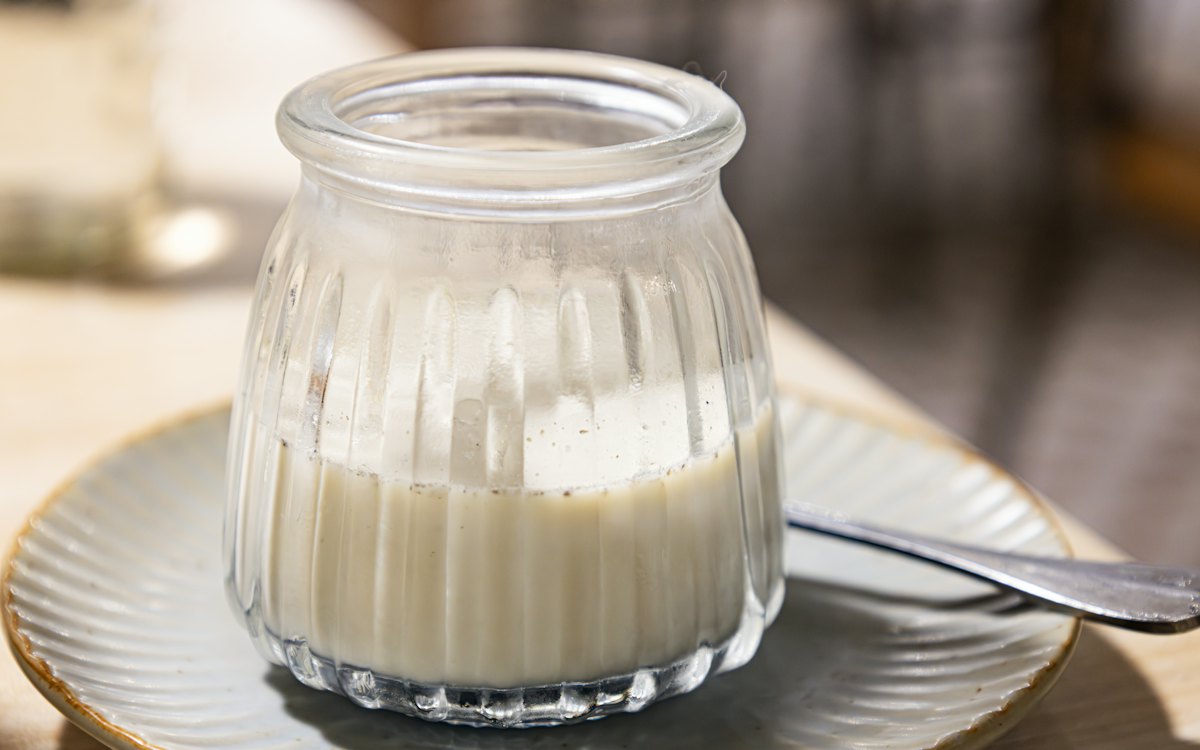
Feeding means discarding some starter and adding fresh flour and water. A common ratio is 1:1:1 by weight — equal parts starter, flour and water. Keep it at room temperature if you bake often, or in the fridge with a weekly feeding if you don’t.
Choosing a ratio
1:1:1 (for example 50 g starter, 50 g flour, 50 g water) peaks in about 4–6 hours at warm room temperature.
A bigger feed, such as 1:5:5, slows things down — useful if you want the starter to peak overnight or while you’re at work.
Room temperature or fridge
At room temperature, feed once or twice a day.
In the fridge, feed about once a week. Before baking, take it out and give it one or two feedings at room temperature until it’s rising predictably again.
Signs of a healthy starter
It rises and falls on a regular schedule, smells tangy but pleasant, and has bubbles throughout.
A sluggish starter usually needs warmer conditions or a few regular feedings.
Use your starter for baking when it’s at or just past its peak — domed, bubbly and roughly doubled.
Frequently asked questions
Do I have to discard?
Yes, or the starter grows too large and the flour-to-culture ratio gets too low. Use the discard in crackers or pancakes.
Can I use tap water?
Usually yes. If your water is heavily chlorinated, leave it out for a few hours or use filtered water.