How to Make a Sourdough Starter From Scratch
Flour, water and about a week of daily feeding.
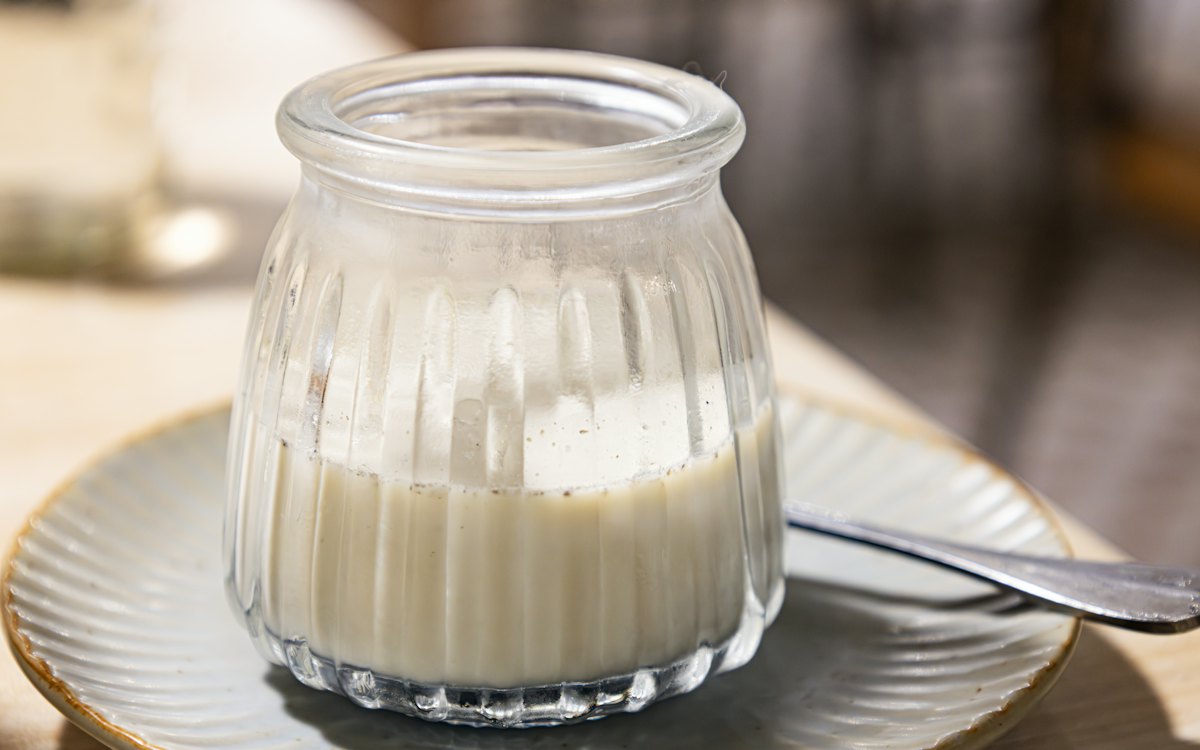
A sourdough starter is a culture of wild yeast and bacteria living in a mix of flour and water. Mix equal weights of flour and water, then discard part and feed it daily. In roughly 5–10 days it becomes bubbly and predictable enough to bake with.
Day 1: mix
In a clean jar, stir together 50 g whole wheat or rye flour and 50 g lukewarm water. Whole grain flours carry more wild yeast and nutrients, which helps the start.
Cover loosely and leave at warm room temperature, ideally 75–80°F (24–27°C).
Days 2–7: discard and feed
Once a day, discard all but about 50 g of the starter, then add 50 g flour and 50 g water and stir well. You can switch to white flour or keep some whole grain.
Early bubbles on day 2 or 3 can be misleading and often quiet down. That’s normal; keep feeding.
How to know it’s ready
A ready starter reliably doubles within about 4–8 hours of a feeding, smells pleasantly sour and yeasty, and is full of bubbles.
Once it does this several days in a row, it’s ready to bake with.
Put a rubber band around the jar at the level of the starter after feeding. It makes the rise easy to see.
Frequently asked questions
What is the liquid on top?
Called “hooch,” it’s alcohol from a hungry starter. Pour it off or stir it in, then feed.
What if it smells strange?
Strong smells are common in the first week. Pink or orange streaks or fuzzy mold mean you should start over.