Dense bread usually comes down to one of four things: not enough rise, not enough gluten development, too much flour, or slicing before it’s fully baked and cooled. Most of these are easy to fix on the next bake.
Under-proofed dough
If the dough didn’t rise enough before baking, there isn’t enough gas to open the crumb.
Let it rise until it passes the poke test, especially in a cool kitchen, rather than following the clock.
Weak gluten or too much flour
Under-kneaded dough can’t trap gas well. Check for the windowpane test.
Adding extra flour to fight stickiness makes a stiff, dry dough that can’t expand. Weigh flour and use wet hands instead.
Underbaked or cut too soon
A loaf that looks done outside can still be raw inside. Check for an internal temperature of about 190–210°F (88–99°C), depending on the bread.
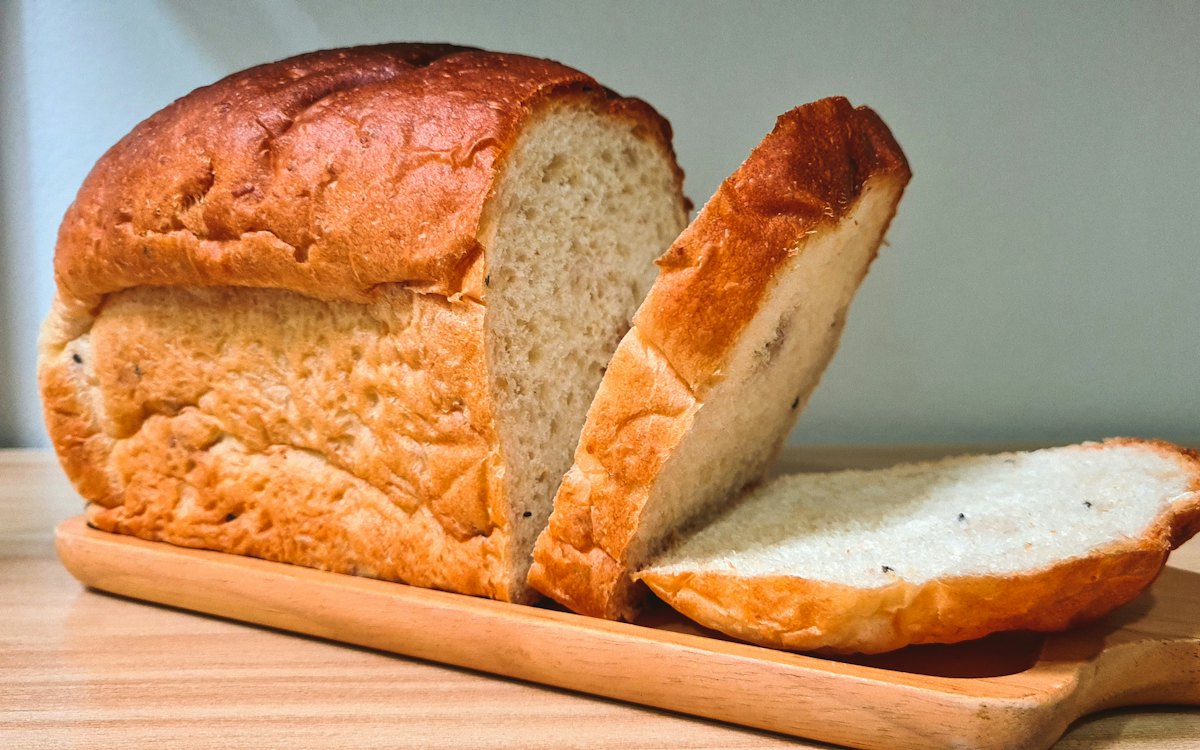
Cutting into hot bread compresses the soft crumb and makes it seem gummy.
Change one thing at a time between bakes so you can see which fix made the difference.
Frequently asked questions
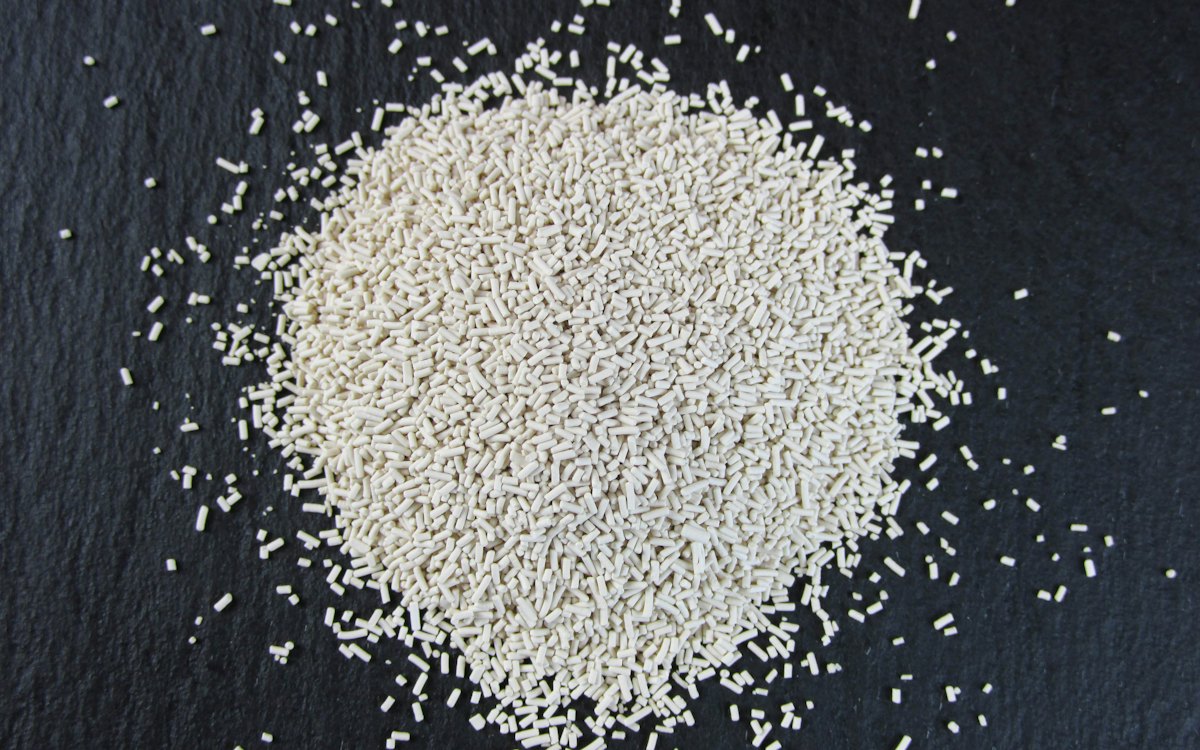
Can old yeast cause dense bread?
Yes. Test it in warm water with a pinch of sugar; no foam in 10 minutes means it’s time for new yeast.
Does whole wheat flour make bread denser?
Yes, naturally. Try mixing it with white flour and adding a little more water.