How Does Yeast Make Bread Rise?
The tiny living engine inside every loaf, and how to keep it happy.
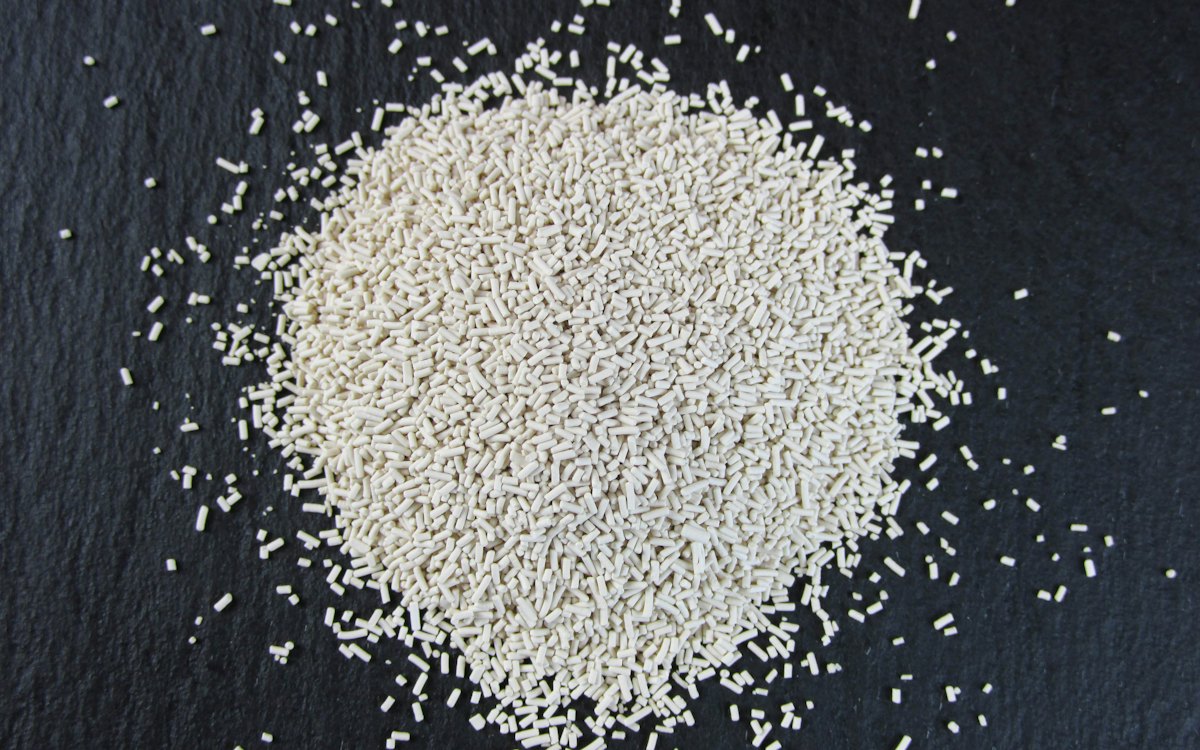
Yeast is a living fungus that eats sugars in flour and releases carbon dioxide gas and alcohol. Gluten in the dough traps that gas like millions of small balloons, so the dough rises. In the oven, the gas expands, the yeast dies and the structure sets.
What yeast actually does
When flour and water mix, enzymes start breaking starch into simple sugars. Yeast feeds on those sugars and produces carbon dioxide and a little alcohol — the process called fermentation.
The gas inflates the dough. The alcohol and other by-products are a big part of what makes bread taste like bread.
Instant, active dry and fresh yeast
Instant yeast can be mixed straight into the flour. Active dry yeast is often dissolved in warm water first, though most modern brands work without that step. Fresh (cake) yeast is moist, perishable and sold in blocks.
As a rough swap, use about 25% more active dry than instant, and about three times as much fresh yeast as instant by weight.
Temperature is the control knob
Yeast works fastest in warm dough, roughly 75–80°F (24–27°C). Cooler dough rises more slowly but develops more flavor, which is why many recipes rest in the fridge overnight.
Very hot water — above about 130°F (55°C) — can kill yeast, so aim for water that feels comfortably warm, not hot.
If you’re unsure your yeast is alive, stir a pinch into warm water with a little sugar. Foam within 10 minutes means it’s active.
Frequently asked questions
Does salt kill yeast?
Salt slows yeast when it’s concentrated, but at normal bread amounts (about 2% of the flour weight) it simply moderates fermentation and strengthens the dough.
Can I use less yeast?
Yes. Less yeast means a slower rise, which often improves flavor. Just allow more time.