Bread Flour vs. All-Purpose Flour: What’s the Difference?
Protein, gluten and when the swap actually matters.
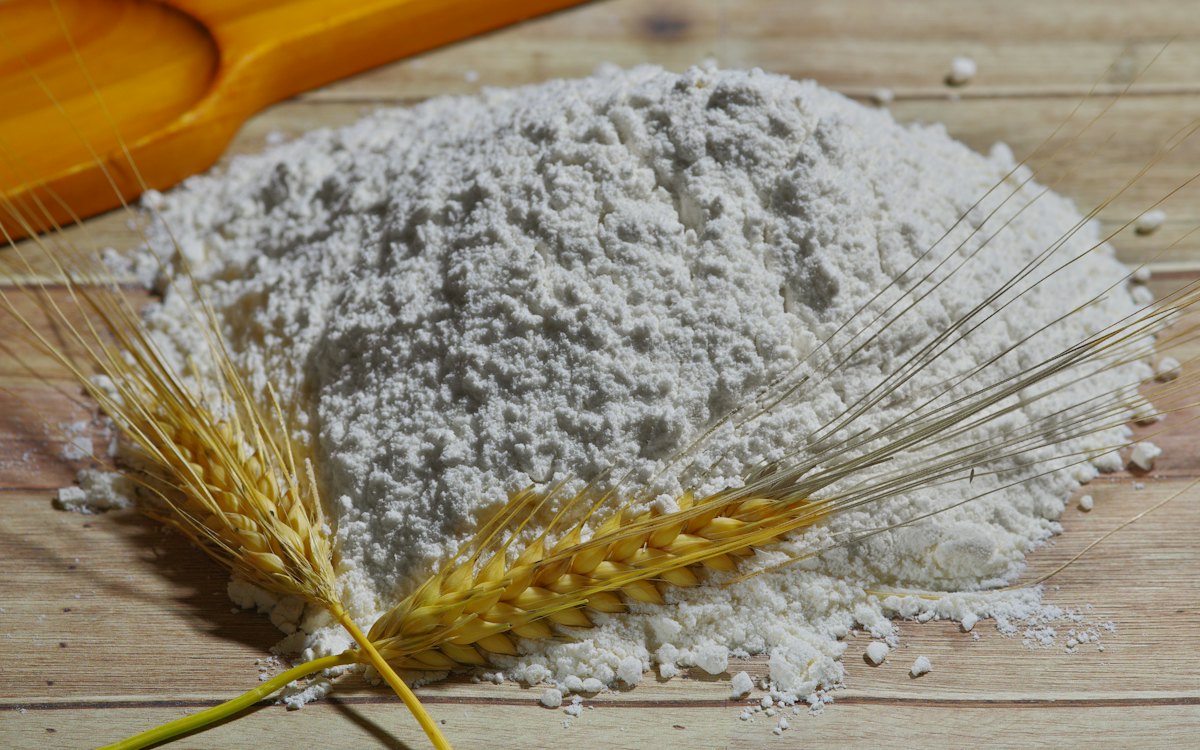
Bread flour has more protein than all-purpose flour, so it forms more gluten. That gives chewier bread with a taller rise. All-purpose flour works for most home breads — the result is just a little softer.
Protein makes the difference
When flour meets water, two proteins combine into gluten, a stretchy network that traps gas. More protein means a stronger network.
Bread flour typically has around 12–14% protein; all-purpose flour usually sits around 10–12%, depending on brand and country.
When to use which
Use bread flour for crusty loaves, bagels, pizza and sourdough, where chew and structure matter.
Use all-purpose flour for soft sandwich bread, rolls, quick breads and when that’s what you have. Most yeast recipes still work.
Making the swap
If you swap all-purpose for bread flour, reduce the water slightly — about 1 tablespoon per cup — because lower-protein flour absorbs a little less.
Whole wheat flour absorbs more water and makes denser bread; start by replacing 20–30% of the white flour.
Weigh flour instead of using cups. A “cup” can vary by 30 grams or more depending on how it’s scooped.
Frequently asked questions
Can I make bread with cake flour?
Not well. Cake flour is low in protein and won’t build enough gluten for yeast bread.
What does “00” flour mean?
It’s an Italian grading for very finely milled flour, popular for pizza. Protein content varies by brand.